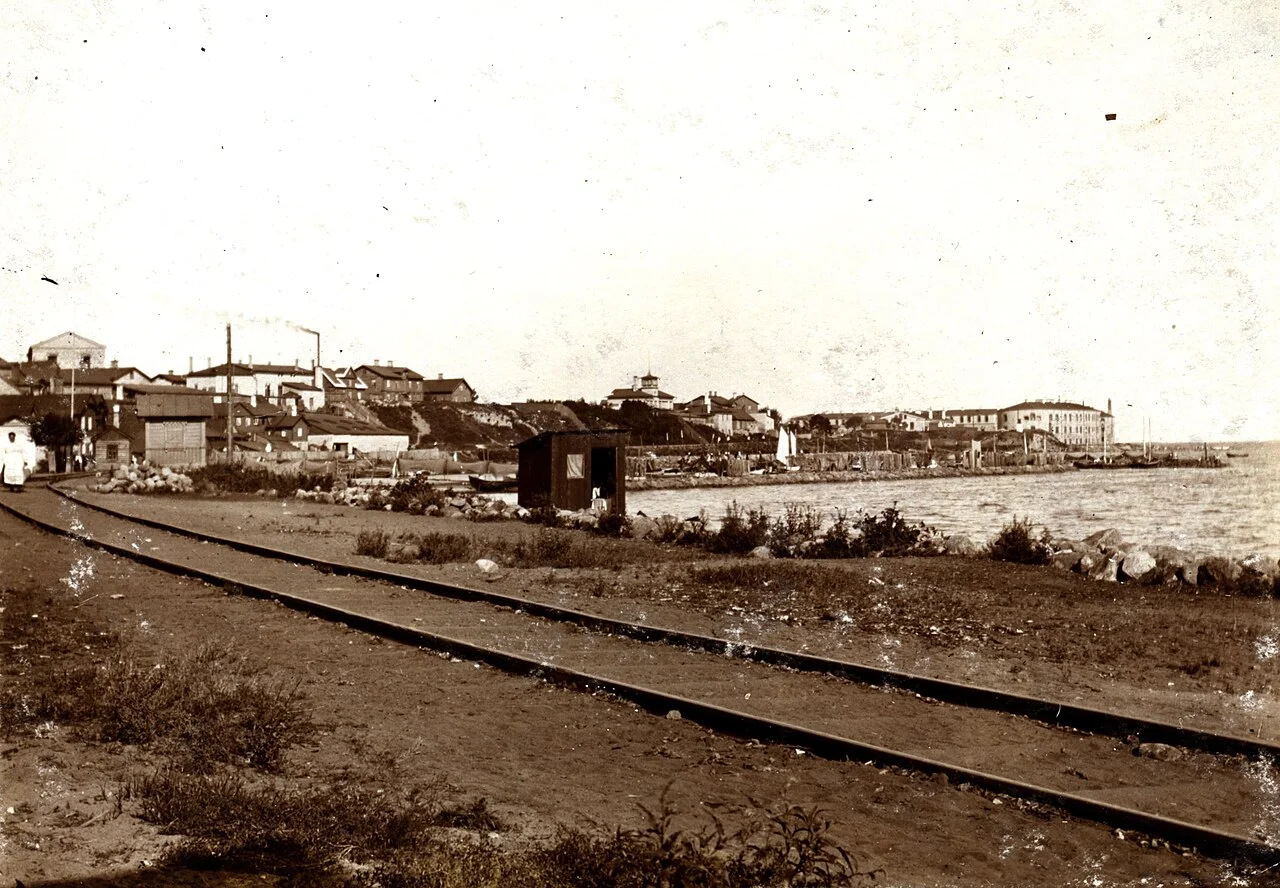
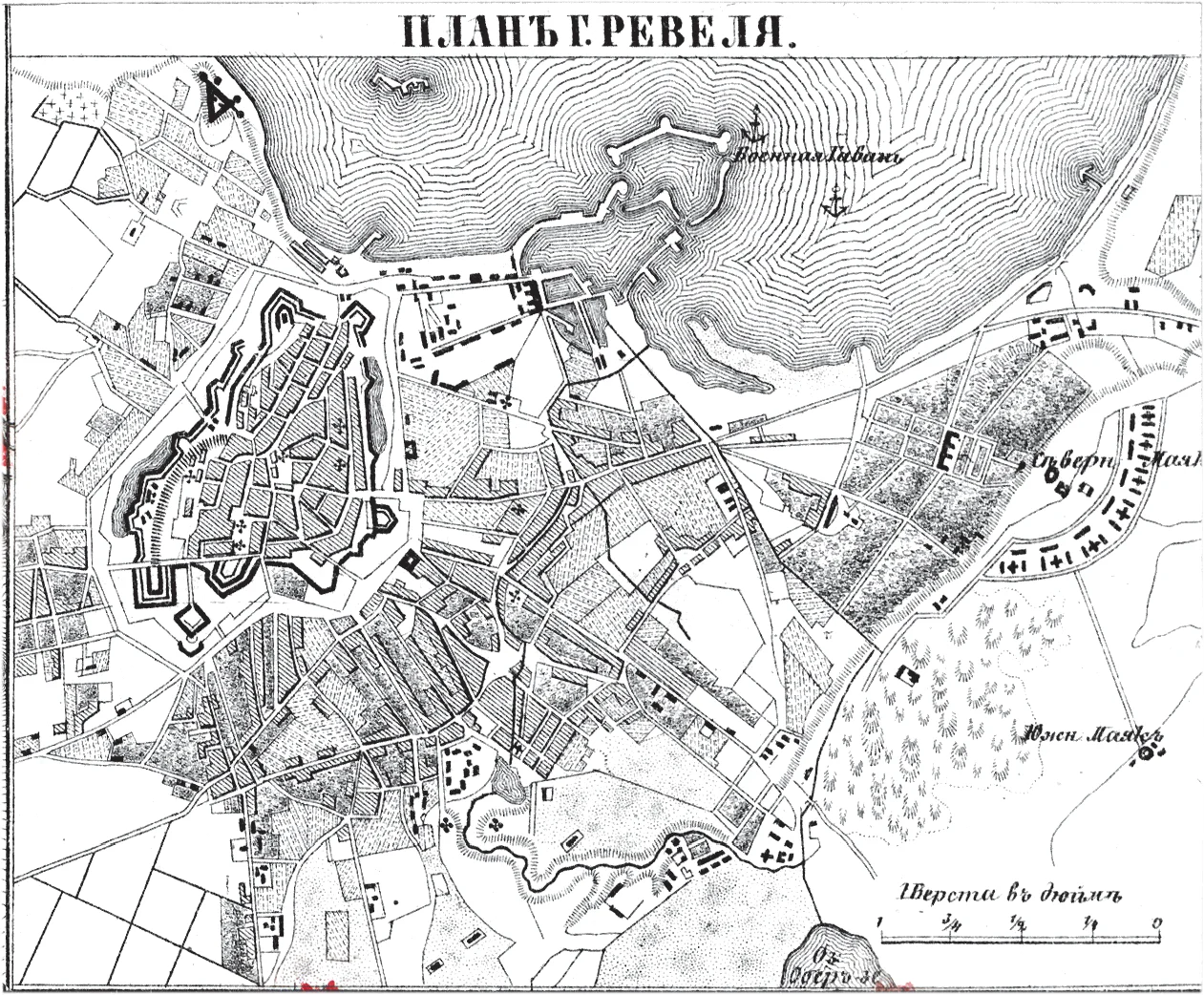
The harbour made Tallinn important.
See what your next lesson could become
Explore practical ways to build, run, and review learning with Praktikal.
Keep every historical claim tied to evidence
History topics and curriculum sequences vary between countries and regions. Use Praktikal to keep checked context and sources, chronology tasks, pupil responses, teacher feedback and revision connected around one historical question — then adapt the sequence to the period, age phase and source requirements you have locally.
Source enquiry you can re-site
What does the evidence warrant?
Start with a bounded local, regional or national question; supply checked context and authentic, rights-cleared sources; ask what the evidence supports, qualifies or cannot establish; then revise a pupil claim after feedback. The worked topic is an illustration to swap out, not a universal curriculum sequence.
- Attach provenance
- Test what it supports
- Revise the claim
Comparative chronology and change
How should change be periodised and judged?
Order checked events, compare alternative phase models or turning points, defend a judgement about change, then introduce an omitted event or perspective and revise the argument. Keep each jurisdiction and date range explicit; comparison is a reasoning method, not evidence that countries teach the same topic at the same age.
- Tag the kind of change
- Defend a boundary
- Qualify the judgement
Tie every claim to its evidence
Organise the enquiry so chronology gives sources context, interpretations can disagree, and a short claim can be revised after feedback.
When opening the enquiry
Start with a question that creates a reason to inspect the evidence, rather than revealing the account first.
While reading sources
Keep teacher-checked provenance and context beside each source, so a pupil’s claim stays attached to the evidence it came from.
When accounts disagree
Compare sources and interpretations side by side without flattening their differences into one correct summary.
While building the argument
Ask students to test a short claim against counter-evidence, then improve it after discussion or teacher feedback.
Using Praktikal in history
Explore concrete teaching sequences and the Praktikal tools that bring source packs, chronology, annotation, discussion, and written feedback into one enquiry.
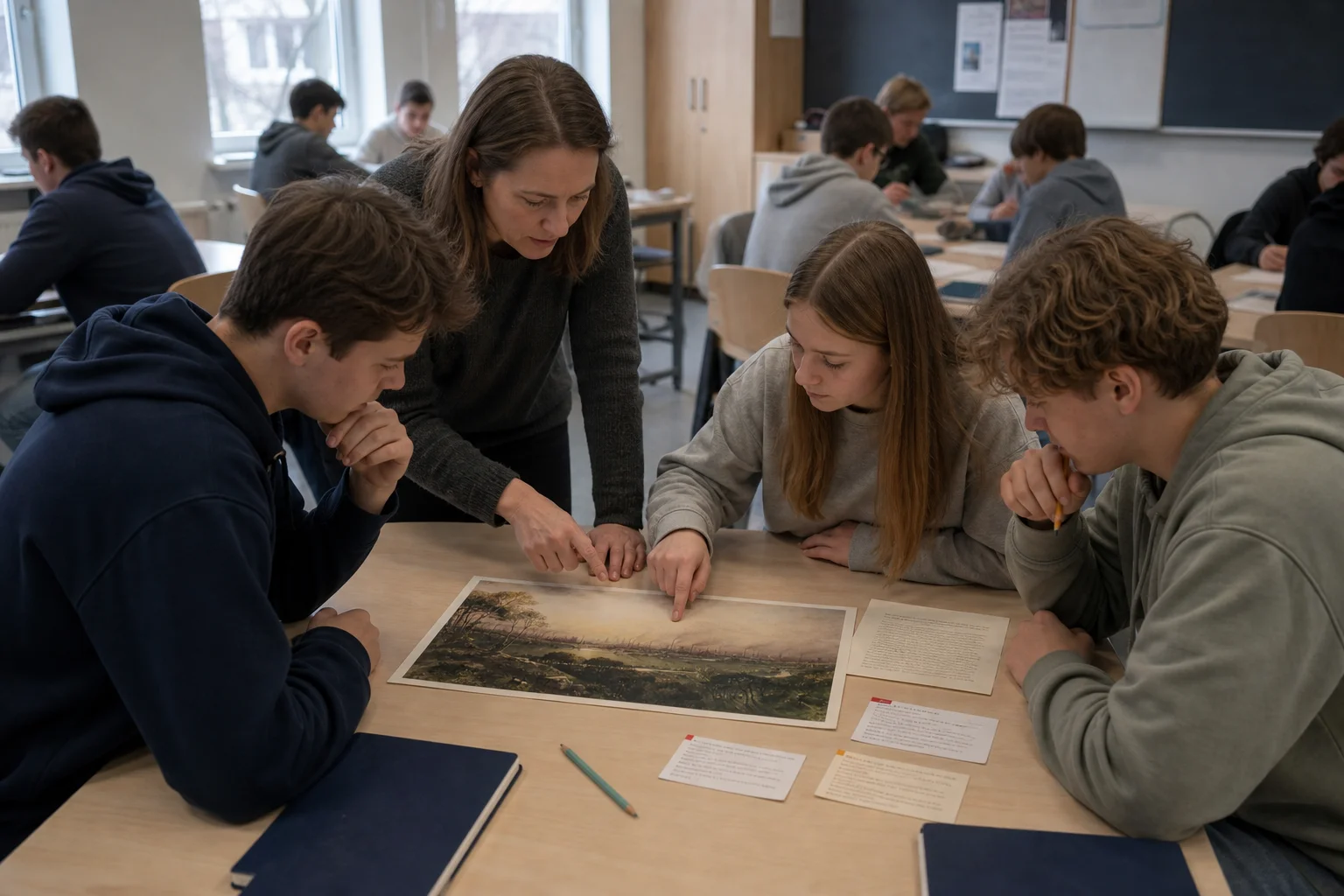
Turn a history source pack into an evidence-led enquiry that transfers
Keep the question bounded, provenance attached and revision visible while changing the historical setting.
Read article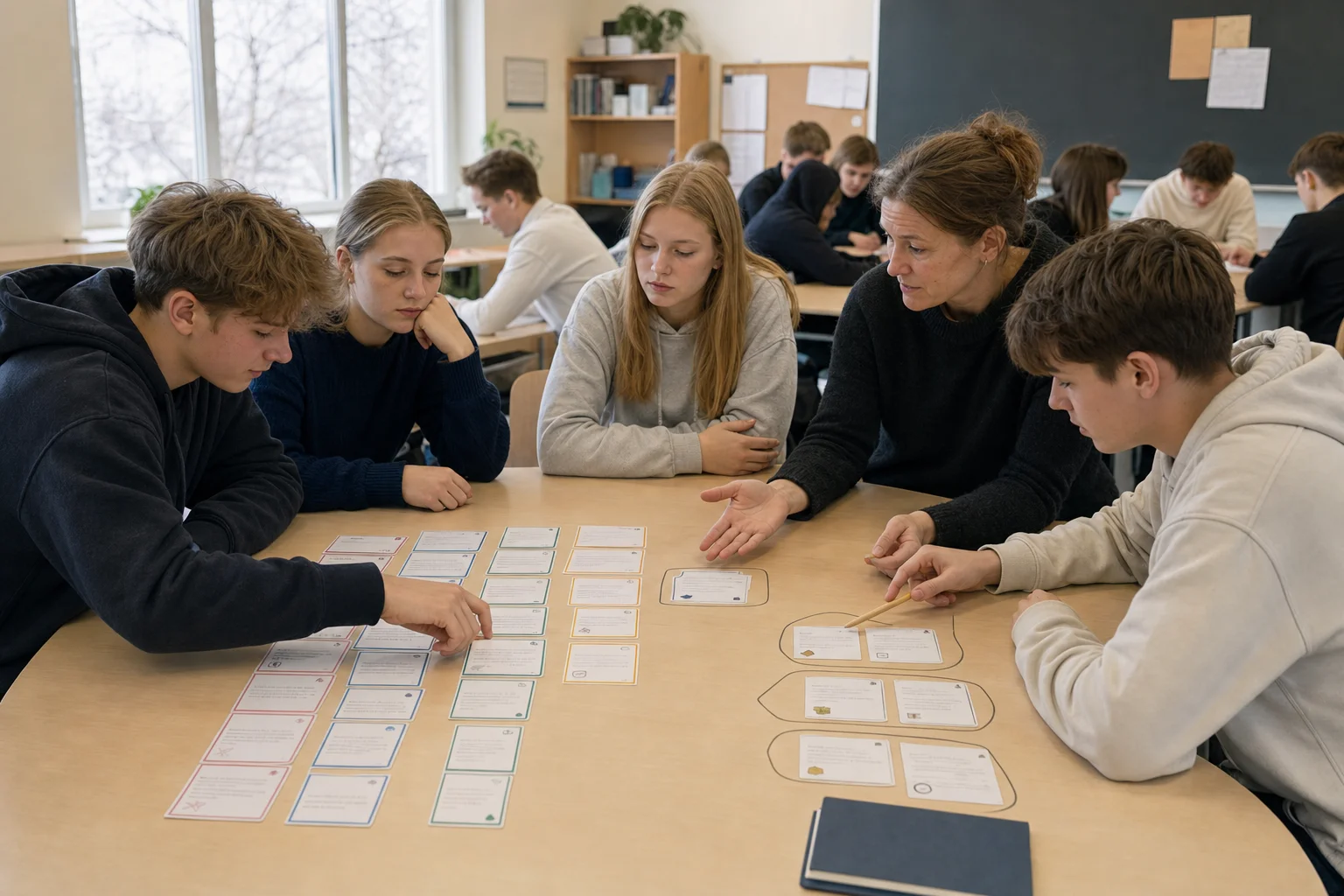
Use a four-country suffrage chronology to explain change
Move from recognition and legal eligibility to first operation and consolidation – without reducing European suffrage history to a race over who was first.
Read articleImport your slides. Keep building in Praktikal
Bring presentations and source packs into a lesson, then add native questions around them.
Explore featureLet learners draw and annotate directly on images
Let learners mark maps, photographs, cartoons, or source details directly.
Explore featureCreate matching and ordering activities
Order events or connect evidence, interpretations, and consequences.
Explore featureUse one whiteboard before, during and after the session
Compare sources and interpretations together while keeping the shared board available.
Explore featureFind a useful starting point. Choose how to reuse it
Inspect source, access, and licence details before reusing or adapting material.
Explore featureReview responses, grade, and give feedback
Review written claims, handle exceptions, and give feedback before choosing the final grade.
Explore featureCreate a history lesson driven by evidence
Bring enquiries, sources, student interpretations, discussion, and feedback into one Praktikal lesson.
No credit card required.